Log Cabin quilt block
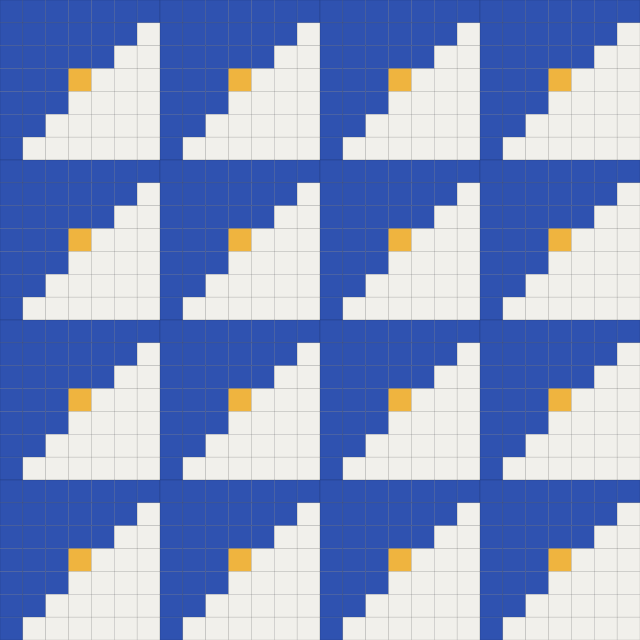
A centre square surrounded by strips added in rounds, light on one side and dark on the other. Rotate and group the blocks and the settings have their own famous names.
Also known as Log Cabin Block, Sunshine and Shadow (setting), Barn Raising (setting).
Log Cabin is one of the most historically loaded blocks in American quilting. It rose to enormous popularity around the Civil War era, and the tradition holds that the centre square represents the hearth — most often red for the fire, sometimes yellow for a lamp in the window. Its diagonal light-dark split is what makes the settings work: Barn Raising, Straight Furrow, Sunshine and Shadow and Streak of Lightning are all the same block, turned differently.
Log Cabin cutting chart
Cut sizes include a ¼″ seam allowance: ½″ on squares and rectangles, ⅞″ on half-square triangles, and 1¼″ on quarter-square triangles. Pick a finished block size:
| Fabric | Shape | Cut size | Qty | Notes |
|---|---|---|---|---|
| Accent | Square | 1⅜" × 1⅜" | 1 | finishes ⅞" × ⅞" |
| Background | Rectangle | 1⅜" × 2¼" | 1 | finishes ⅞" × 1¾" |
| Background | Rectangle | 1⅜" × 3⅛" | 1 | finishes ⅞" × 2⅝" |
| Background | Rectangle | 1⅜" × 3⅞" | 1 | finishes ⅞" × 3⅜" |
| Background | Rectangle | 1⅜" × 4¾" | 1 | finishes ⅞" × 4¼" |
| Background | Rectangle | 1⅜" × 5⅝" | 1 | finishes ⅞" × 5⅛" |
| Background | Square | 1⅜" × 1⅜" | 1 | finishes ⅞" × ⅞" |
| Dark | Rectangle | 2¼" × 1⅜" | 1 | finishes 1¾" × ⅞" |
| Dark | Rectangle | 3⅛" × 2¼" | 1 | finishes 2⅝" × 1¾" |
| Dark | Rectangle | 4¾" × 1⅜" | 1 | finishes 4¼" × ⅞" |
| Dark | Rectangle | 5⅝" × 1⅜" | 1 | finishes 5⅛" × ⅞" |
| Dark | Rectangle | 6½" × 1⅜" | 1 | finishes 6" × ⅞" |
| Dark | Square | 1⅜" × 1⅜" | 1 | finishes ⅞" × ⅞" |
| Fabric | Shape | Cut size | Qty | Notes |
|---|---|---|---|---|
| Accent | Square | 1¾" × 1¾" | 1 | finishes 1¼" × 1¼" |
| Background | Rectangle | 1¾" × 3⅛" | 1 | finishes 1¼" × 2⅝" |
| Background | Rectangle | 1¾" × 4⅜" | 1 | finishes 1¼" × 3⅞" |
| Background | Rectangle | 1¾" × 5⅝" | 1 | finishes 1¼" × 5⅛" |
| Background | Rectangle | 1¾" × 6⅞" | 1 | finishes 1¼" × 6⅜" |
| Background | Rectangle | 1¾" × 8¼" | 1 | finishes 1¼" × 7¾" |
| Background | Square | 1¾" × 1¾" | 1 | finishes 1¼" × 1¼" |
| Dark | Rectangle | 3⅛" × 1¾" | 1 | finishes 2⅝" × 1¼" |
| Dark | Rectangle | 4⅜" × 3⅛" | 1 | finishes 3⅞" × 2⅝" |
| Dark | Rectangle | 6⅞" × 1¾" | 1 | finishes 6⅜" × 1¼" |
| Dark | Rectangle | 8¼" × 1¾" | 1 | finishes 7¾" × 1¼" |
| Dark | Rectangle | 9½" × 1¾" | 1 | finishes 9" × 1¼" |
| Dark | Square | 1¾" × 1¾" | 1 | finishes 1¼" × 1¼" |
| Fabric | Shape | Cut size | Qty | Notes |
|---|---|---|---|---|
| Accent | Square | 1⅞" × 1⅞" | 1 | finishes 1⅜" × 1⅜" |
| Background | Rectangle | 1⅞" × 3⅜" | 1 | finishes 1⅜" × 2⅞" |
| Background | Rectangle | 1⅞" × 4¾" | 1 | finishes 1⅜" × 4¼" |
| Background | Rectangle | 1⅞" × 6¼" | 1 | finishes 1⅜" × 5¾" |
| Background | Rectangle | 1⅞" × 7⅝" | 1 | finishes 1⅜" × 7⅛" |
| Background | Rectangle | 1⅞" × 9⅛" | 1 | finishes 1⅜" × 8⅝" |
| Background | Square | 1⅞" × 1⅞" | 1 | finishes 1⅜" × 1⅜" |
| Dark | Rectangle | 10½" × 1⅞" | 1 | finishes 10" × 1⅜" |
| Dark | Rectangle | 3⅜" × 1⅞" | 1 | finishes 2⅞" × 1⅜" |
| Dark | Rectangle | 4¾" × 3⅜" | 1 | finishes 4¼" × 2⅞" |
| Dark | Rectangle | 7⅝" × 1⅞" | 1 | finishes 7⅛" × 1⅜" |
| Dark | Rectangle | 9⅛" × 1⅞" | 1 | finishes 8⅝" × 1⅜" |
| Dark | Square | 1⅞" × 1⅞" | 1 | finishes 1⅜" × 1⅜" |
| Fabric | Shape | Cut size | Qty | Notes |
|---|---|---|---|---|
| Accent | Square | 2¼" × 2¼" | 1 | finishes 1¾" × 1¾" |
| Background | Rectangle | 2¼" × 10¾" | 1 | finishes 1¾" × 10¼" |
| Background | Rectangle | 2¼" × 3⅞" | 1 | finishes 1¾" × 3⅜" |
| Background | Rectangle | 2¼" × 5⅝" | 1 | finishes 1¾" × 5⅛" |
| Background | Rectangle | 2¼" × 7⅜" | 1 | finishes 1¾" × 6⅞" |
| Background | Rectangle | 2¼" × 9⅛" | 1 | finishes 1¾" × 8⅝" |
| Background | Square | 2¼" × 2¼" | 1 | finishes 1¾" × 1¾" |
| Dark | Rectangle | 10¾" × 2¼" | 1 | finishes 10¼" × 1¾" |
| Dark | Rectangle | 12½" × 2¼" | 1 | finishes 12" × 1¾" |
| Dark | Rectangle | 3⅞" × 2¼" | 1 | finishes 3⅜" × 1¾" |
| Dark | Rectangle | 5⅝" × 3⅞" | 1 | finishes 5⅛" × 3⅜" |
| Dark | Rectangle | 9⅛" × 2¼" | 1 | finishes 8⅝" × 1¾" |
| Dark | Square | 2¼" × 2¼" | 1 | finishes 1¾" × 1¾" |
| Fabric | Shape | Cut size | Qty | Notes |
|---|---|---|---|---|
| Accent | Square | 2⅝" × 2⅝" | 1 | finishes 2⅛" × 2⅛" |
| Background | Rectangle | 2⅝" × 11¼" | 1 | finishes 2⅛" × 10¾" |
| Background | Rectangle | 2⅝" × 13⅜" | 1 | finishes 2⅛" × 12⅞" |
| Background | Rectangle | 2⅝" × 4¾" | 1 | finishes 2⅛" × 4¼" |
| Background | Rectangle | 2⅝" × 6⅞" | 1 | finishes 2⅛" × 6⅜" |
| Background | Rectangle | 2⅝" × 9⅛" | 1 | finishes 2⅛" × 8⅝" |
| Background | Square | 2⅝" × 2⅝" | 1 | finishes 2⅛" × 2⅛" |
| Dark | Rectangle | 11¼" × 2⅝" | 1 | finishes 10¾" × 2⅛" |
| Dark | Rectangle | 13⅜" × 2⅝" | 1 | finishes 12⅞" × 2⅛" |
| Dark | Rectangle | 15½" × 2⅝" | 1 | finishes 15" × 2⅛" |
| Dark | Rectangle | 4¾" × 2⅝" | 1 | finishes 4¼" × 2⅛" |
| Dark | Rectangle | 6⅞" × 4¾" | 1 | finishes 6⅜" × 4¼" |
| Dark | Square | 2⅝" × 2⅝" | 1 | finishes 2⅛" × 2⅛" |
How it goes together
Start at the centre and add logs in rotation, pressing outward after each. Keep light on two adjacent sides and dark on the other two so the diagonal split stays clean. Foundation piecing on paper or muslin keeps a many-log block flat and square.
Tips
- The diagonal division between light and dark is the block. If the values blur, no setting will save it.
- Foundation piecing is worth it above about five rounds — it holds everything square while you work.
- Press each log outward immediately, and measure the block occasionally; drift compounds one log at a time.
How much fabric for a Log Cabin quilt?
Yardage for a whole quilt of Log Cabin blocks, computed the way the studio does it — every piece packed across a 40″ usable width with 10% added for waste.
| Quilt size | Blocks | Finished | Top fabric | Backing | Binding |
|---|---|---|---|---|---|
| Baby 36×48 | 12 | 36" × 48" | Background ⅞ yd · Dark 1⅛ yd · Accent ⅛ yd | 2½ yd | ⅜ yd |
| Throw 60×72 | 30 | 60" × 72" | Background 2⅛ yd · Dark 2¾ yd · Accent ¼ yd | 3⅞ yd | ½ yd |
| Queen 90×108 | 72 | 96" × 108" | Background 4⅞ yd · Dark 6¼ yd · Accent ⅜ yd | 8¾ yd | ⅞ yd |
What it looks like in a quilt
A single block only tells you half the story. Set sixteen of them together and the secondary pattern appears where the blocks touch:
Log Cabin questions
What does the centre square of a Log Cabin mean?
Tradition holds it represents the hearth — red for the fire, or yellow for a lamp in the window. It is a tradition rather than a rule, and modern versions use any colour.
What is the difference between Barn Raising and Straight Furrow?
Nothing but rotation. Both use identical Log Cabin blocks; Barn Raising arranges them in concentric diamonds, Straight Furrow in diagonal stripes.
How many logs should a Log Cabin have?
Any odd-sided count works. This one uses a seven-by-seven grid, giving three rounds around the centre.